
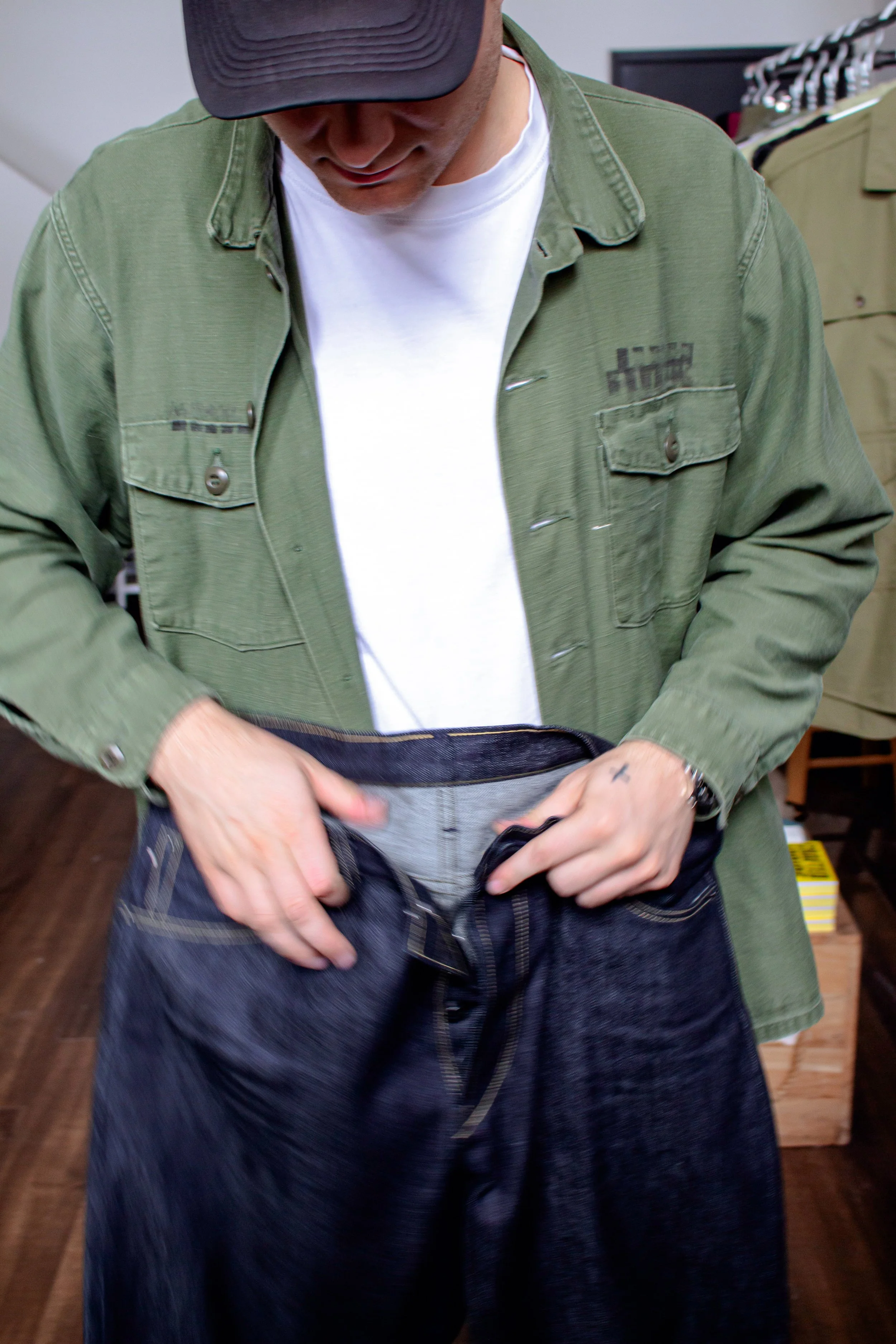
BONICEL x wardrobe theory project full interview
Written: by colin james behr
photos: by colin james behr
PUBLISHED: ON NOVEMBER 18TH, 2025
BELOW IS THE ENTIRE EXCERPT FROM OUR MOST RECENT INTERVIEW WITH THE WARDROBE THEORY PROJECT.
Bonicel Denim started in a dorm room by a collegiate hooper. Passion, relentless pursuit of a singular goal, and paying homage to his Grandmother has taken this founder and designer from sewing his first pair of pants to a scaling denim brand that focuses on quality, construction and longevity. He is helping to redefine what made in America means and championing our heritage of craft and local manufacturing. Read on as we sat down to interview the founder, Easton Koch.

Can you share the story of how your brand or practice began?
I began by sewing jeans in my dorm my freshman year of college. I had a teacher who was hella cool and believed in my vision from the jump. Even though all I had at the time were sketches, he still took me under his wing, bought me a janky little sewing machine, a roll of denim, and had me make him 10 pairs of jeans for an independent study that semester. This was the very beginning stage of me actually making things. My brand and vision have both changed quite a bit since the days in my dorm room but the foundational principles of what I do were established back then.
What inspired you to focus on small-batch, locally made goods?
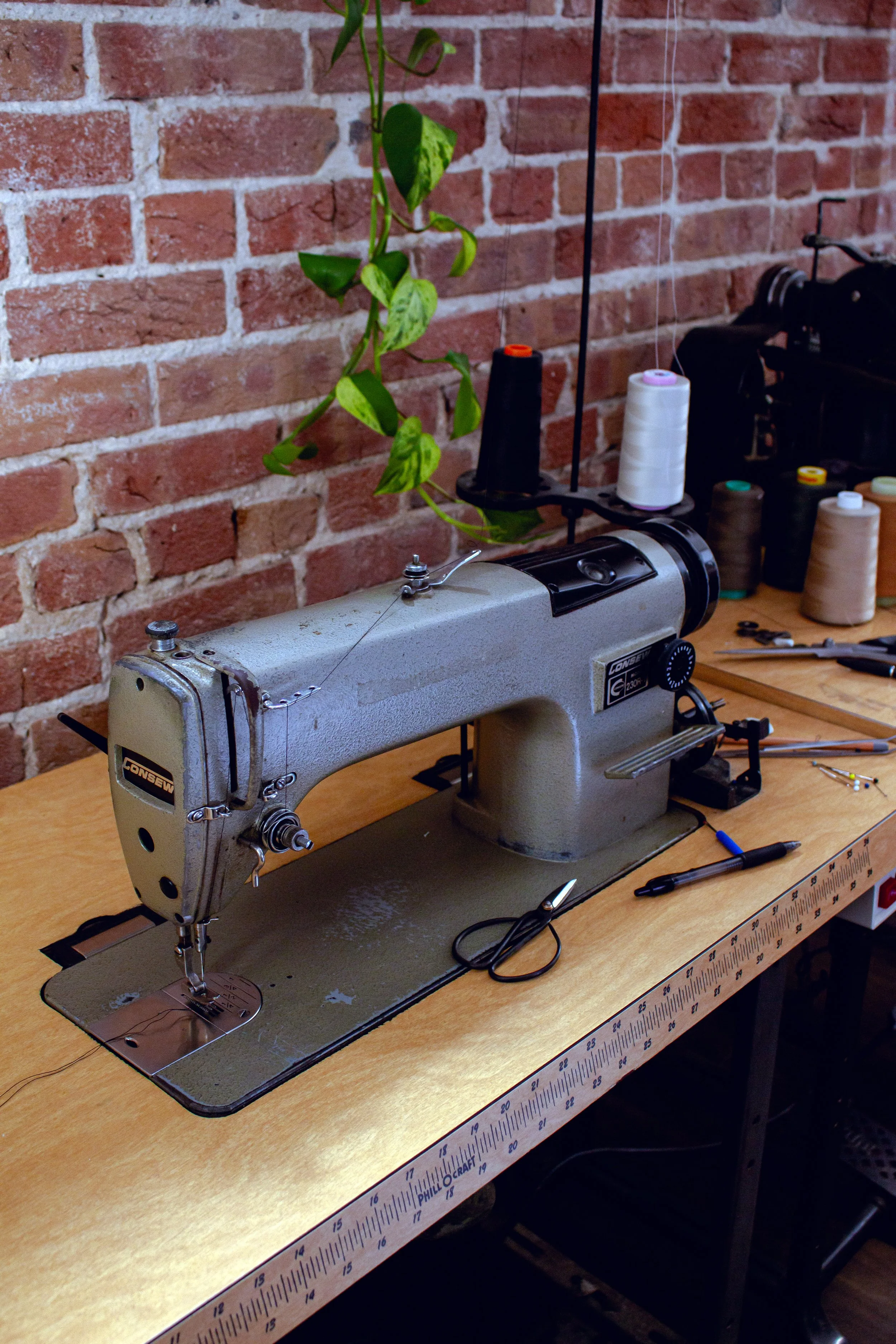
At first it was sorta out of necessity… I didn’t have any local resources for manufacturing clothes so my options were either to out-source to a place that did or to create things on my own. I also didn’t have much of an audience at the time so making 100+ units of something didn’t seem realistic. I still needed years of experience getting my hands dirty behind the machine before scaling so I focused on making one garment at a time. Additionally, I felt that focusing on a single garment was more exciting than trying to scale and have excess inventory so I kept things headed in that direction as I simultaneously grew my brand and got better at designing.
How does working at a local or regional level influence your design and production choices?
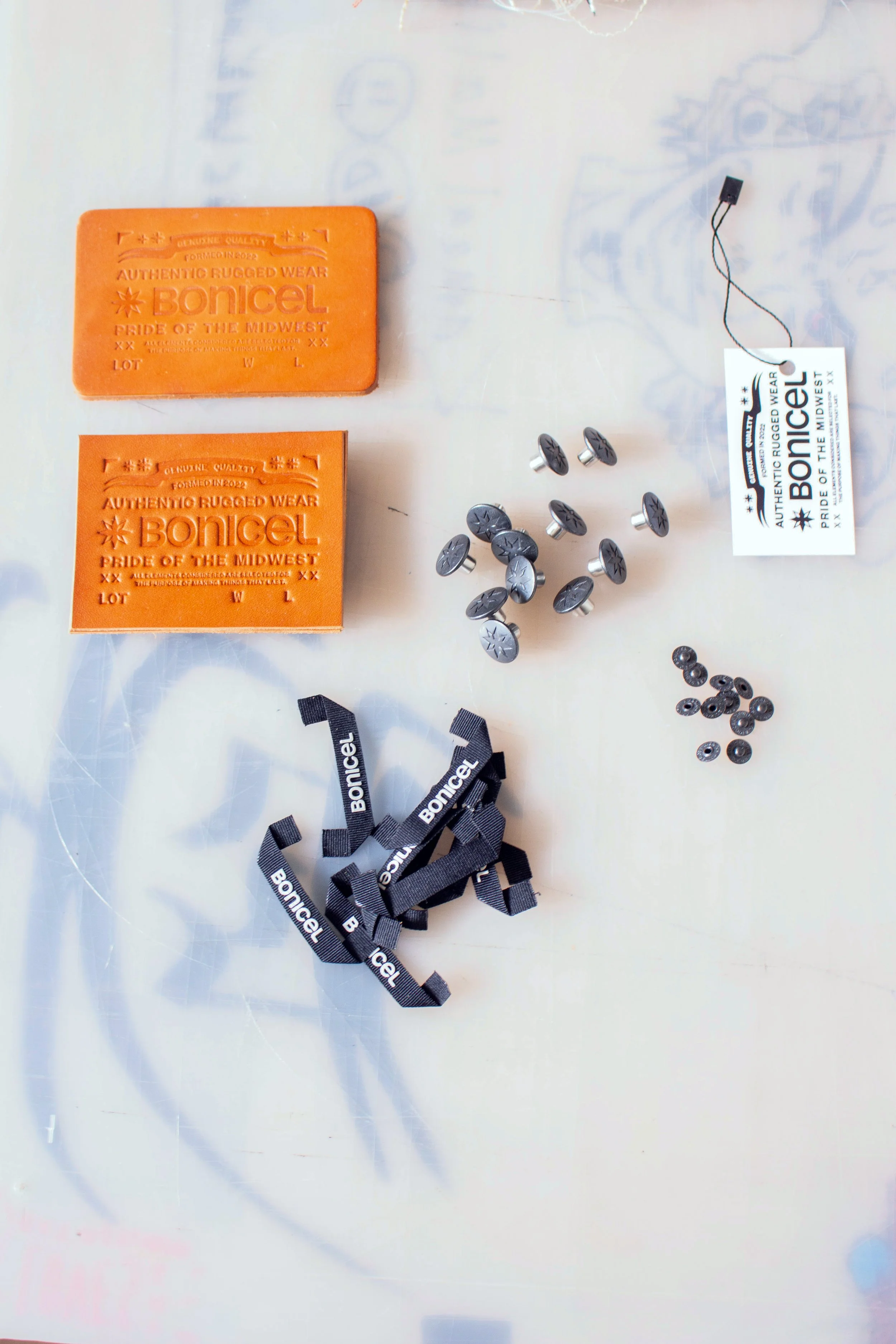
You’ve gotta work with what you’ve got. You also find yourself sometimes skewing your products or marketing toward the local audience that’s supported you. Which is great, there’s nothing necessarily wrong with that, but I’ve always had a bigger vision than just working or selling locally so I try to keep the bigger picture in mind when it comes to my local audience. As for manufacturing… It’s more efficient to be making at the local level. This not only provides jobs for people in your community but also makes the entire supply chain run much more effectively. This is the inspiration behind growing my own manufacturing infrastructure here in Kansas City.
What does sustainability mean to you on a personal and business level?
It just means being thoughtful and aware of the residual impact manufacturing has on your environment. There’s levels to this sustainability thing, but overall it’s about creating products that are utilized and cared for over a number of years. It gets deeper on the textile level but I think the most important part is to be aware of the footprint that manufacturing leaves behind. Very few people NEED more clothes therefore adding to the limitless pile of garment waste is something I'm weary of. The idea is that every unit of clothing I manufacture is being utilized by its owner for many years.
Walk us through your production process. What makes it more sustainable compared to mass manufacturing?
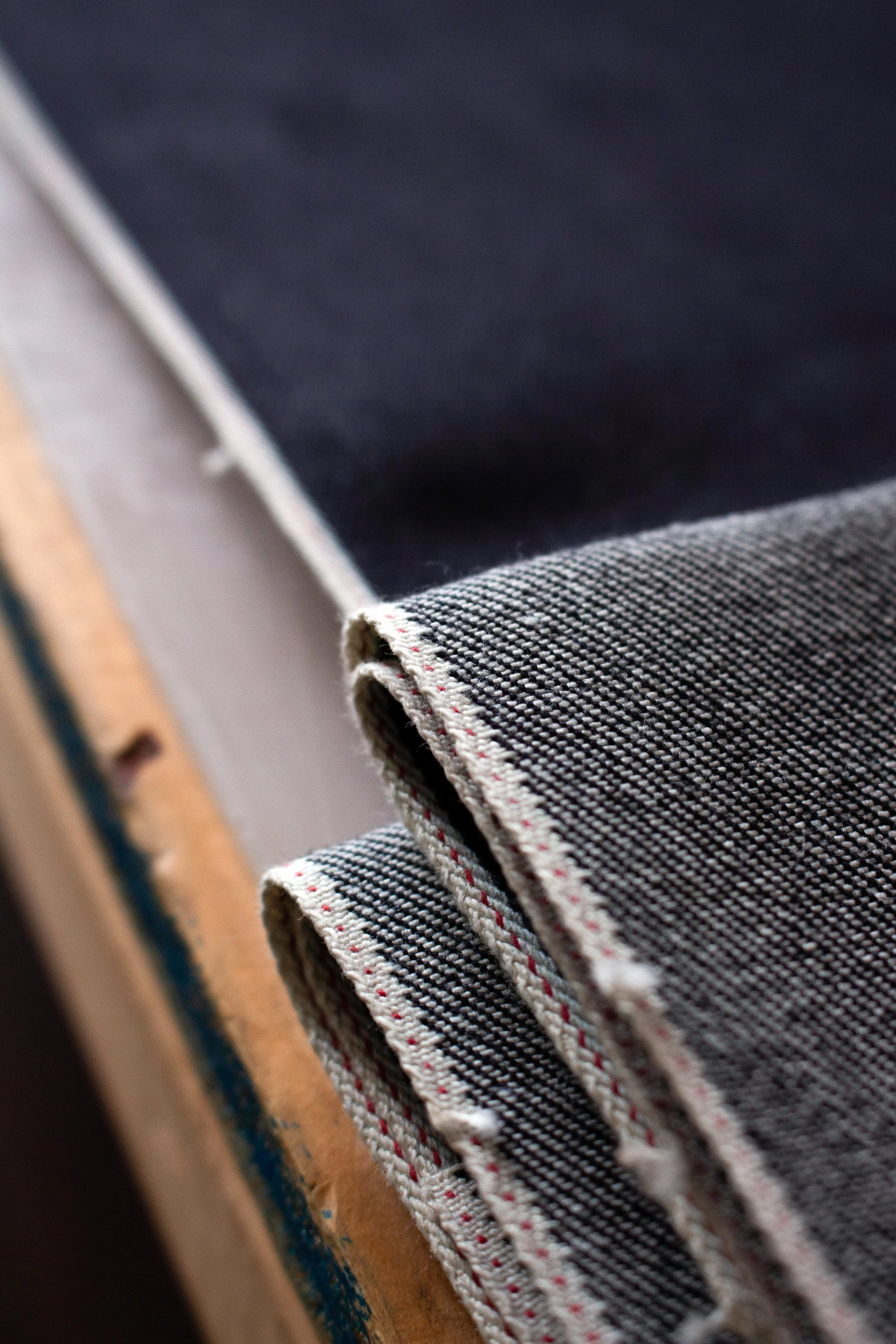
I often make just a single unit of a particular garment. I’d argue this is actually the most sustainable way of making clothes. It may not be the most profitable but this method allows for everything I produce to be utilized. Now that I’m growing and beginning to scale this thing I have to deeply contemplate the number of units I’m producing. Finding that sweet spot isn’t easy but I think it’s something every small brand eventually grows into. In my opinion it all comes down to the ratio of garments produced vs garments utilized in everyday life.
How do material sourcing and craftsmanship factor into your definition of quality?
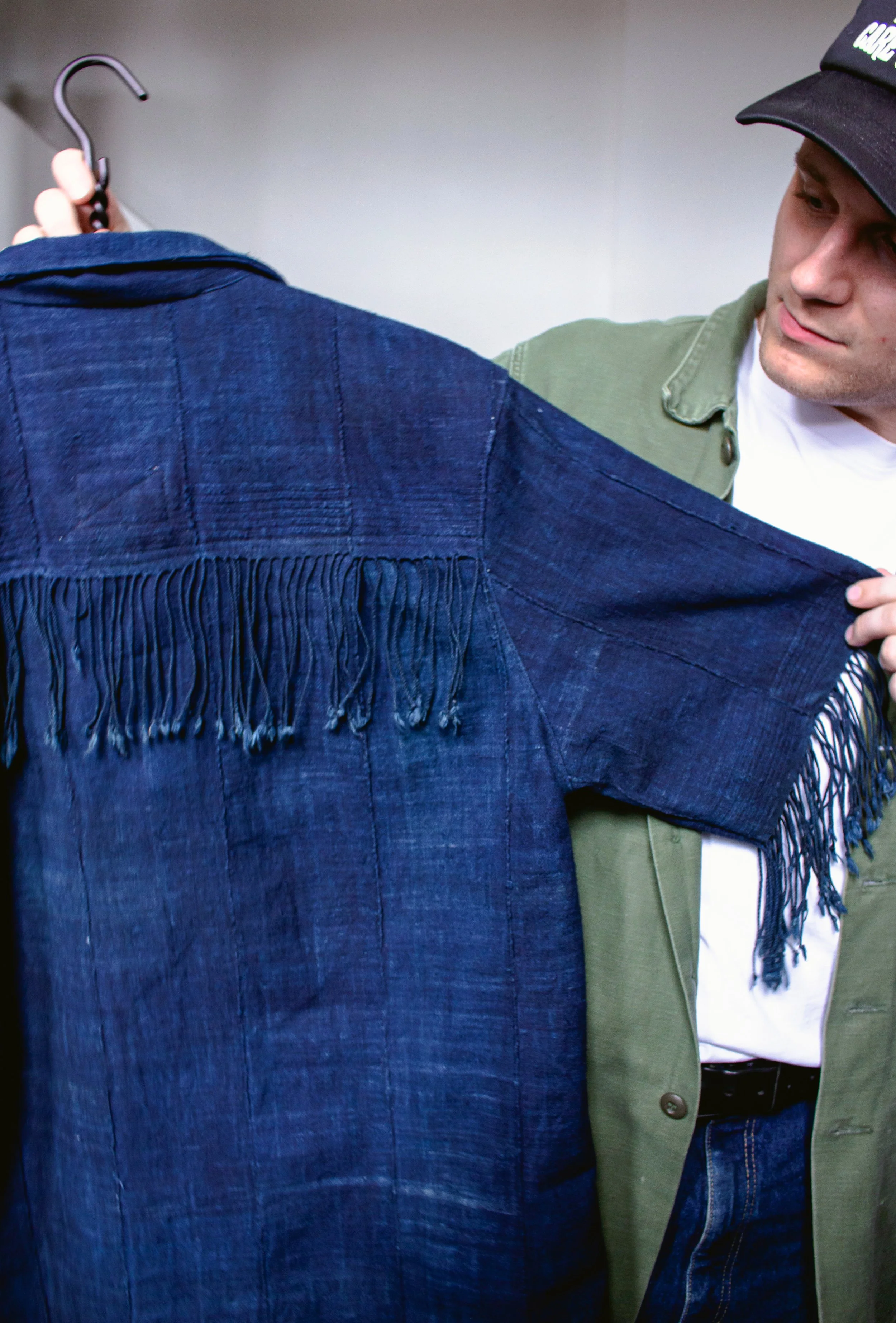
My designs always begin by finding the right textile. I can sniff out a shitty textile from miles away so I key in on finding good substantial textiles. As far as denim goes, this usually just means it’s woven in the US or in Japan, but there is good shit all over the world you just have to be tapped in. India makes some incredible shirting fabrics, Canada is great with knits, Italy for leathers so it just kinda depends.

Are repairs, alterations, or product care a part of the relationship you have with your customers?
Absolutely. We offer lifetime repairs on all BONICEL DENIM products. If a product can’t be repaired for whatever reason we’ll replace it free of charge. Again, this is because we expect the garment to survive for many years regardless of how hard it’s worn.
How do you approach product longevity and durability in your work?
Longevity and durability are factors that play into the overall sustainability of a garment. If a garment lacks in either, it’s lacking in overall sustainability score so I’d argue both are vital. Within the category of denim/workwear durability and longevity are expected… So you have to hit on both. The textile should be extremely durable and the construction quality should allow for the lifespan of the garment to last years into the future. From my point of view it’s an expectation that proper design results in a garment with an average life span of approximately 5 years.
How important is local collaboration in your work?
It is important but more important than local collaboration is good collaboration! If it works out that the collaboration is also local then even better. But my focus is more on using collaboration to make a better product or tell a more compelling story vs. doing so just for the sake of it being local.
In what ways do you see your practice strengthening the local economy or creative community?
My goal is to inspire Kansas City creatives to believe they can be successful as an independent artist or designer while staying in this city. Usually the talented people leave, which I understand, but things are different in 2025. You can own your own business and be successful as a creative in this city without following the pack or moving elsewhere. I can be a walking example for people who are unsure whether or not they can grow their art project in their local environment. I say you can! And the local community will cherish you far more than the alternative.
How do you balance traditional techniques with modern needs or tastes?
Most of the brands within my category are providing a modern take on vintage/classic silhouettes. There is a balance there. You don’t want to replicate a thing exactly and lose the magic of implementing your own design characteristics. But you also have to understand what aspects of the garment work and are designed that way for a reason.
How does your small-batch model contribute to reducing waste or overproduction?
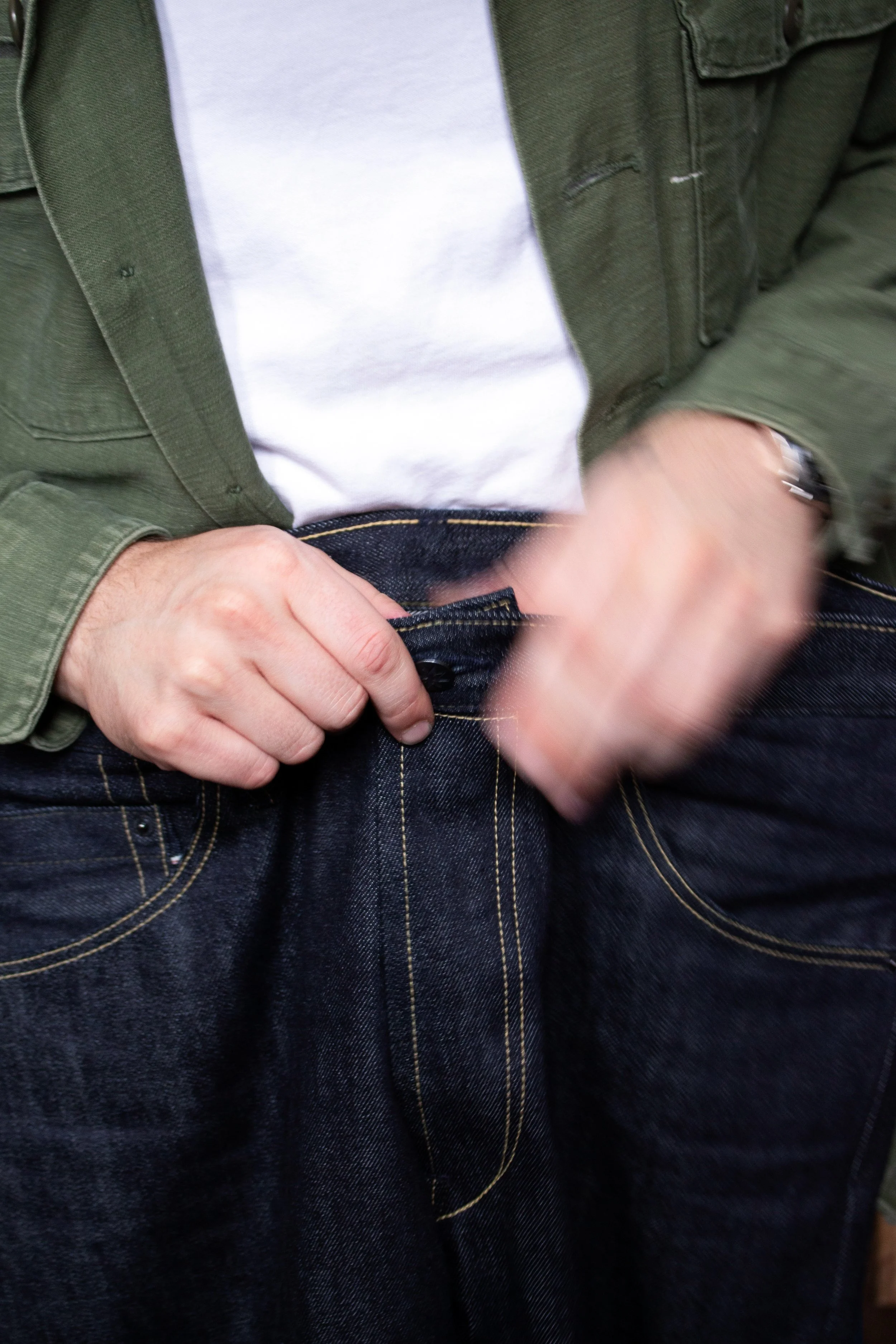
Ideally there is no waste or over-production when moving in small batches. There will always be some, but getting that number as close to zero as possible is the idea. I think a solid rule of thumb would be to produce just under the # of units you feel you can comfortably sell. That way the majority of production is utilized and you still create a scarcity for your brand that carries forth excitement into whatever the next creation is.
What are some of the biggest challenges you face producing sustainably at a small scale?
It’s really hard to scale. My biggest challenge has been finding a way to go from sample to production while still keeping things at a certain level of quality. Making a single unit at a time is fun until you realize you could be making 10x more money if you just had 10 more units. Like I've mentioned many times at this point I do believe there is a sweet spot there but getting things off the ground with small scale production has been really difficult.
Have you seen growing interest among consumers for handmade, durable goods?
Absolutely. The trend within my industry right now is buying from smaller brands. Smaller brands make cooler shit and I don’t think that’s by accident. There’s a big difference between designing and making something for 1-100 people vs doing the same thing for thousands of people. It gets muddier the larger you scale. I do think there’s a sweet spot where you can manufacture at scale without compromising. But there’s no doubt in my mind that smaller usually means better from a design standpoint. Most of my favorite brands are extremely small.
What advice would you give someone who wants to build or support a slower, more circular fashion economy?
You’ve gotta be able to communicate why smaller/slower is better. You’ve also got to be able to sell things at a higher price point. The only reason fast fashion outlets are able to sell products for so cheap is because they’re making thousands and thousands of units. When producing in small batches you will literally lose money trying to compete with a H&M price point. If you’re not comfortable selling at higher prices or unable to communicate why your item is “over-priced” in comparison you’ll have a really hard time enjoying what you do, growing your business, and paying the bills.
Where do you hope to take your work in the next few years?
I’m looking to scale production while staying true to myself and my brand. It’s time to out-source some production and open up time to work on the more experimental things. This will open a lot of other doors for me like potential wholesale relationships, pop-ups in other cities, and a more expansive product category. We’ll always be a Midwest based Denim Brand but the vision has never been to only operate within the Midwest so it’s finally time to begin scaling!
What does success look like for you beyond sales?